India Vetiver Foundation

Vol 3. – Apr 2025

The Vetiver Voice

Welcome to Volume 3 of The Vetiver Voice

We continue to explore the transformative power of Vetiver across landscapes, livelihoods, and sustainability initiatives.

This edition highlights remarkable stories — from restoring barren lands and protecting coastal ecosystems to innovative uses of Vetiver in composting, handicrafts, and natural farming.

We bring you field updates, inspiring successes, and valuable lessons that reinforce Vetiver’s role as a nature-based solution for ecological restoration, soil conservation, and community empowerment.

Through real-world examples and shared wisdom, we aim to strengthen the Vetiver community’s collective journey toward a greener, more resilient planet.

Vetiver Logo with Green Background

Contents

Field Highlights

Vetiver for Coastal Soil Protection at Dhanushkodi

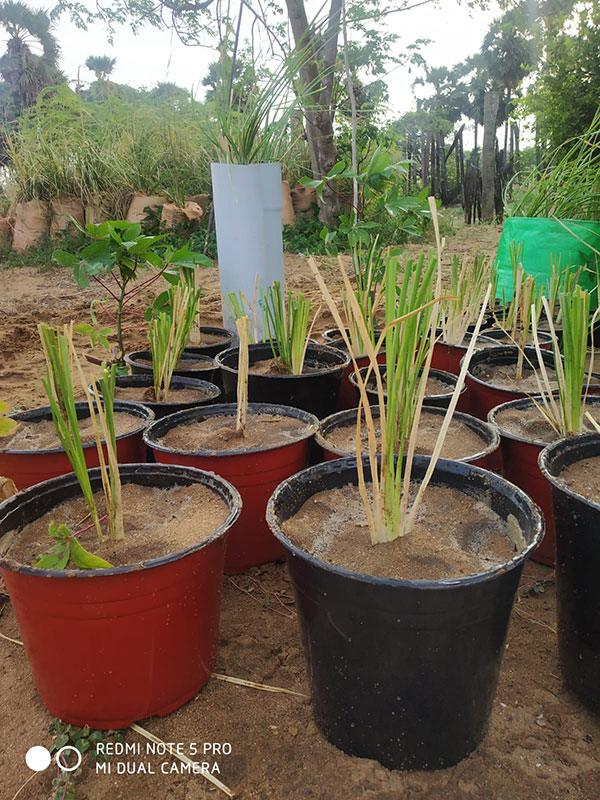
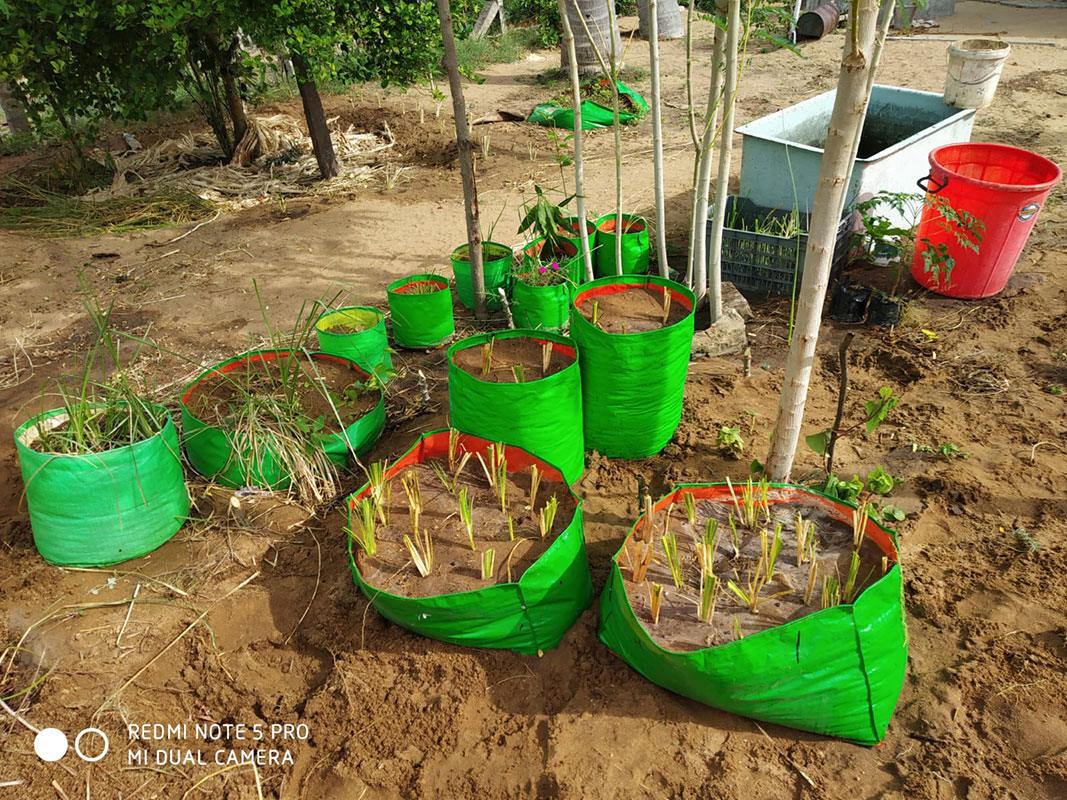
During the COVID-19 period, several alternative methods for Vetiver cultivation were explored. However, after extensive trials, it was ultimately decided to focus exclusively on land-based planting for better results.

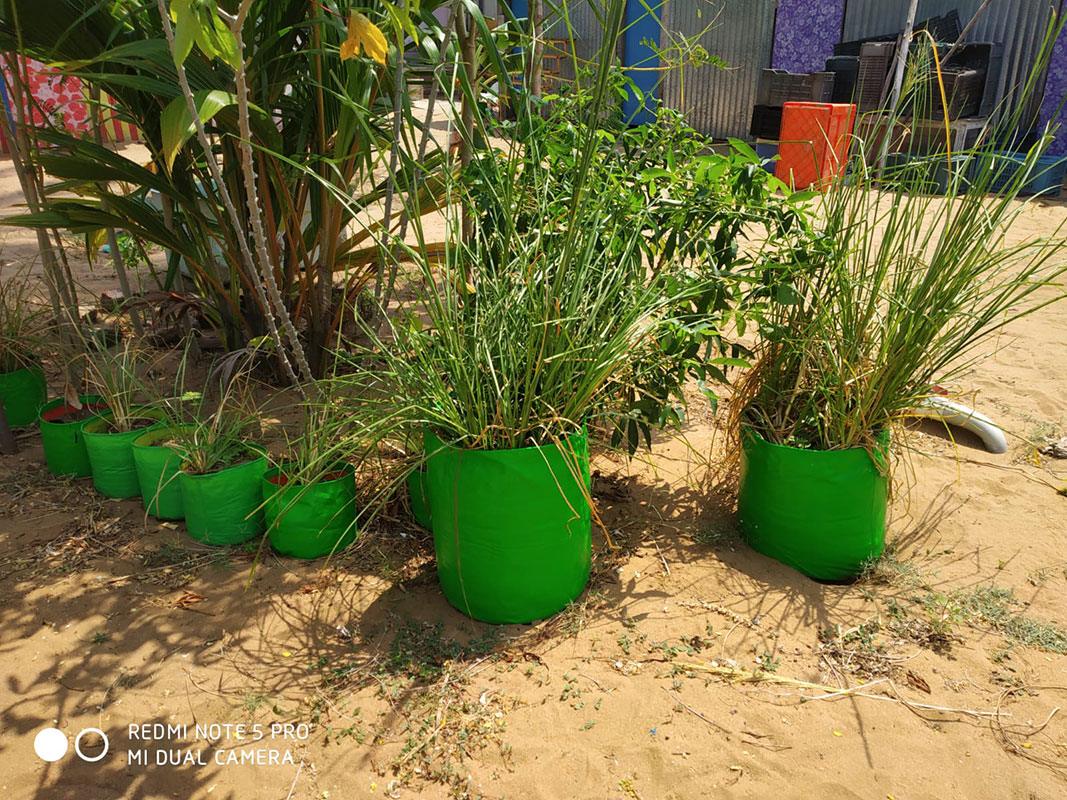
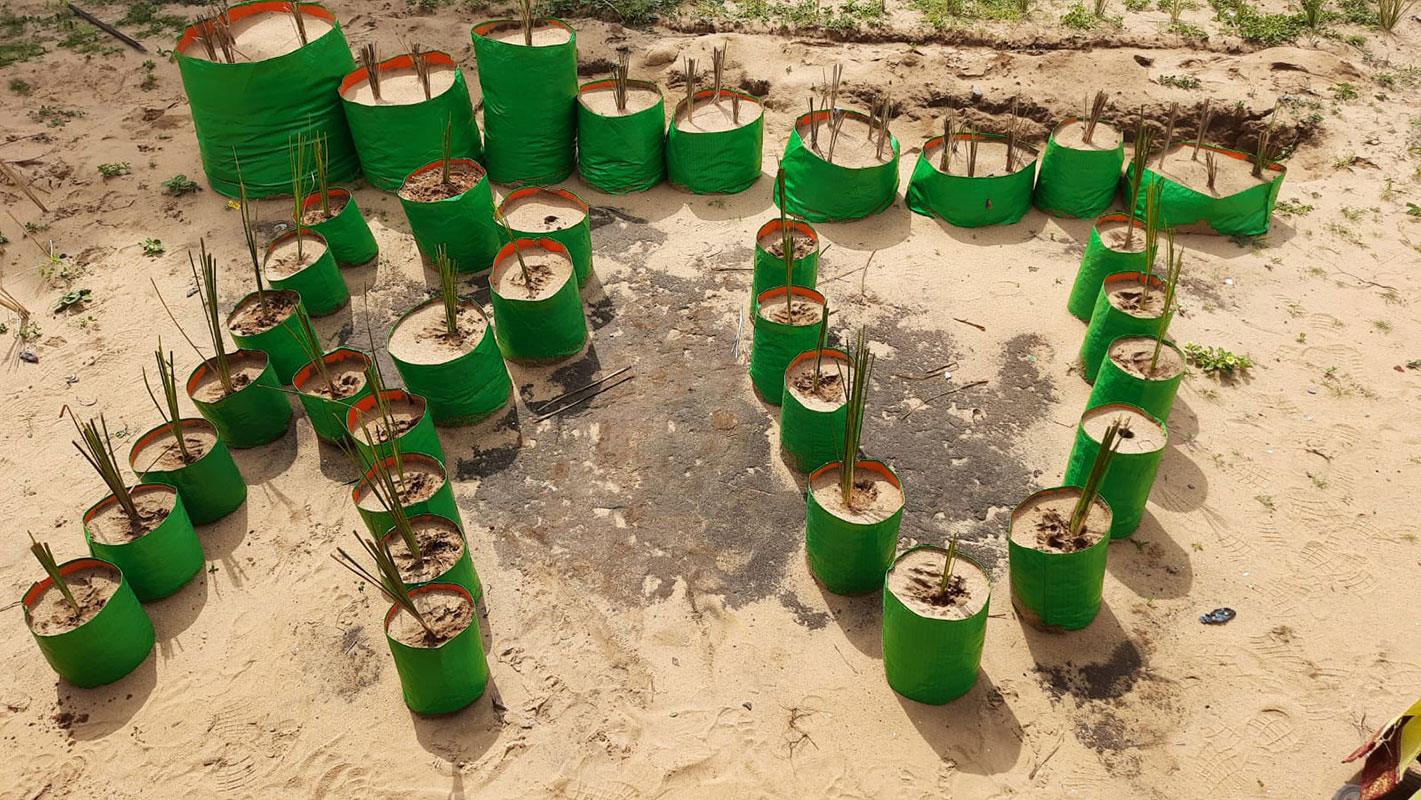
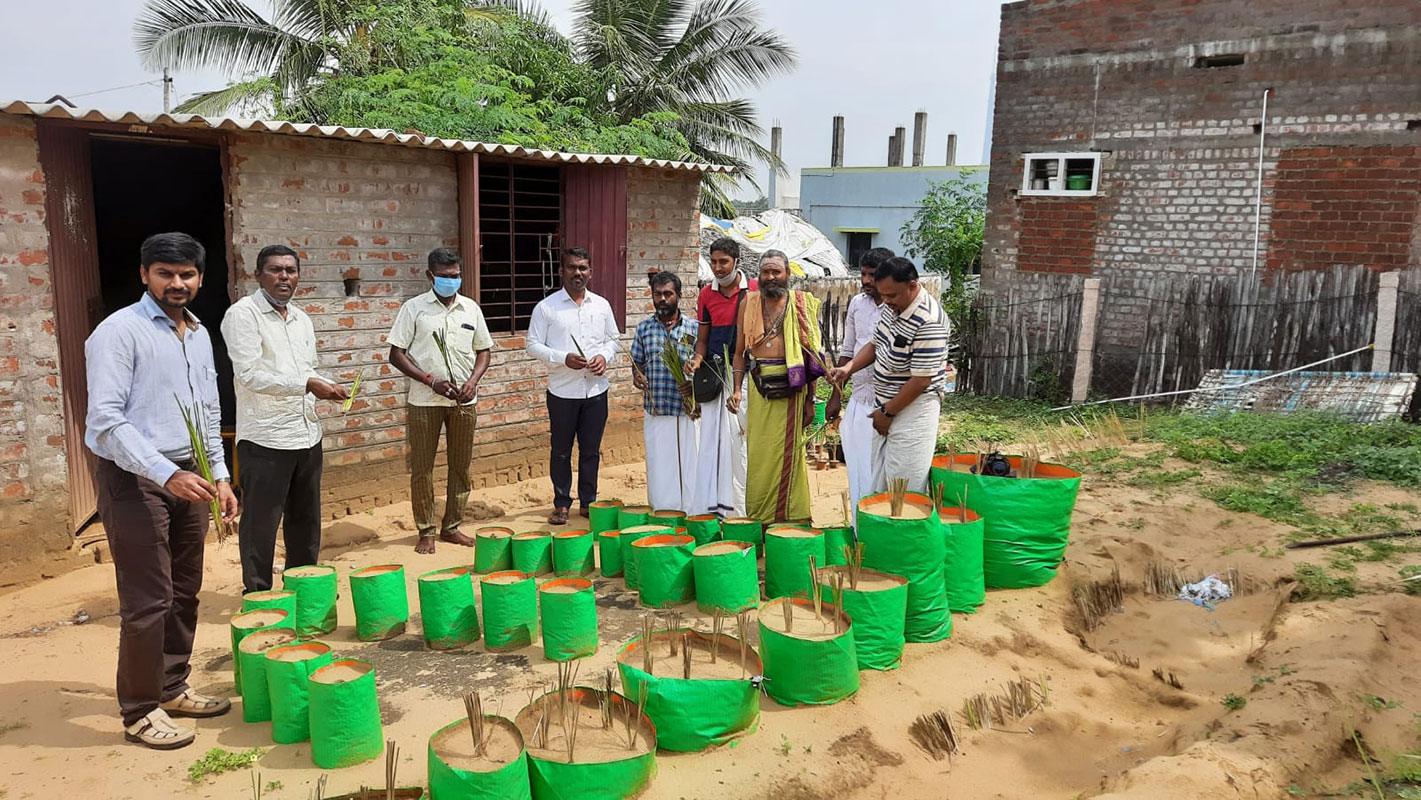
Now, under the expert guidance of CSIR-CIMAP, a significant initiative has been undertaken — 1,000 Vetiver grow bags have been deployed specifically for coastal soil erosion protection at Dhanushkodi.

It is important to note that this effort is aimed purely at environmental protection, not for agricultural production or oil extraction purposes.

This project highlights Vetiver’s critical role in safeguarding vulnerable coastal ecosystems against erosion and promoting long-term sustainability.

Photos Courtesy: Rameswaram Sreeram

Transforming the Overburden Dump at BCCL, Dhanbad: A Story of Hope and Renewal

We are proud to share an inspiring transformation story from Dhanbad, where nature is reclaiming its space with a little support from dedicated hands.

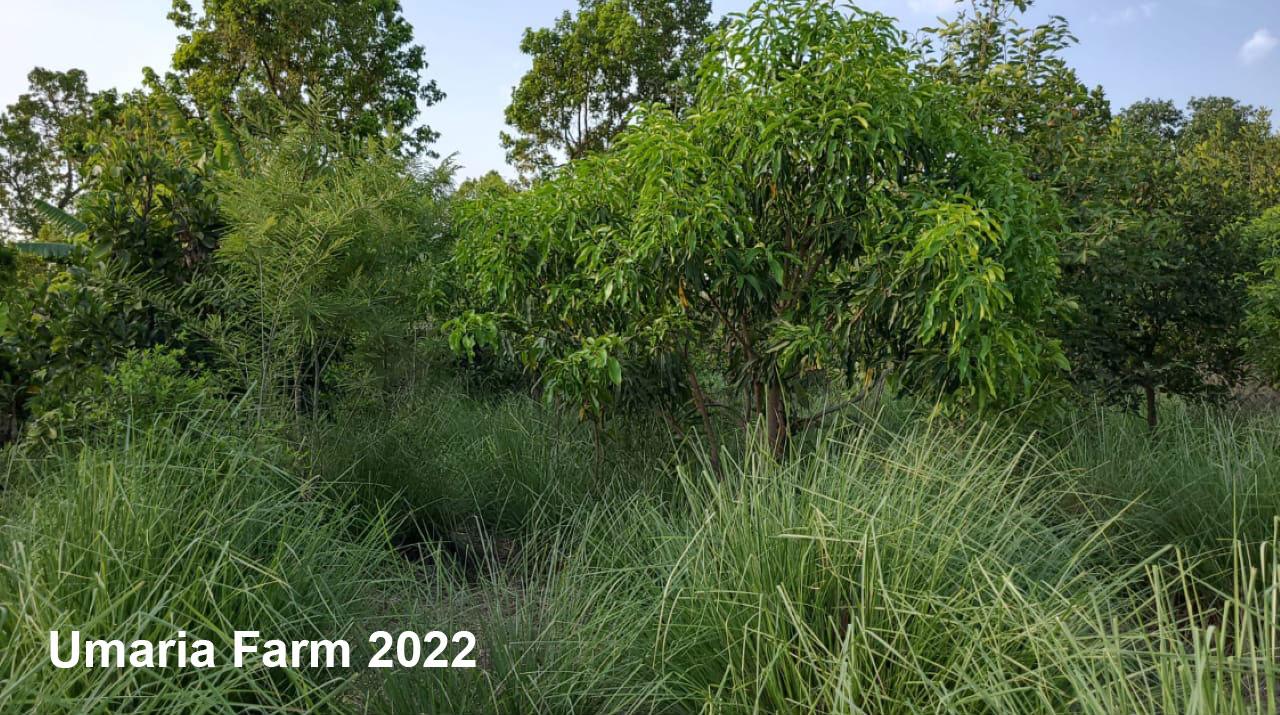
At the Dobhari Overburden (OB) Dump in the Bastacola Area of BCCL (Bharat Coking Coal Limited), a remarkable journey began in September 2021. With just a thin layer of soil preparation and thoughtful plantation efforts, a barren and degraded landscape was given a new lease on life.

In just 13 months, what was once a desolate OB dump has blossomed into a thriving green zone — with trees and Vetiver grass standing tall as symbols of resilience and regeneration.

Vetiver, known for its deep-rooted strength and soil-binding properties, has played a pivotal role in stabilizing the fragile terrain, preventing erosion, and supporting the healthy growth of trees and native vegetation.

This transformation is a shining example of how even the most degraded lands can be healed and rejuvenated through ecological restoration and thoughtful planting practices.

Let this inspire us all — with collective effort and a commitment to nature, no land is beyond hope!

Vetiver: A Key Component in No-Till, No-Poison Food Forests

Vetiver is being extensively used as an integral layer in no-till, no-poison food forest systems. Currently, the practice is implemented across more than 1,500 acres, with plans underway to expand this tenfold in the near future.

The widespread adoption of Vetiver Grass Technology (VGT) in natural farming highlights its role as a proven and sustainable solution for soil conservation, moisture retention, and ecosystem health.

Vetiver for Water and Soil Health

Reviving Urban Water Bodies: Clean-Water's Use of Vetiver and Eco-Technologies

We are excited to share a recent milestone in sustainable water management!

Mr. Nandakumar E, Director of Waterpreneur Studio, recently visited a rejuvenated lake restored by Clean-Water (Sustainable Water Technologies Pvt. Ltd.), a startup supported through the Akamai Incubation Program. Clean-Water is at the forefront of transforming urban water bodies across India with innovative and eco-friendly solutions.

During his visit, Mr. Nandakumar engaged with Mr. Priyanshu Kumath, Founder of Clean-Water, to explore the technologies that are making a difference.
Clean-Water’s approach involves:

  • Artificial wetlands using native plants such as Canna Indica, Vetiver Grass, and Elephant Grass to naturally filter water, absorb pollutants, and reduce toxins.
  • Deployment of solar-powered aerators to enhance oxygen levels and prevent stagnation in water bodies.

These initiatives are creating healthier ecosystems for communities and wildlife, demonstrating a replicable model for urban water rejuvenation.

Vetiver Nurseries in Aquifers: Supporting Cattle and Recharging Groundwater

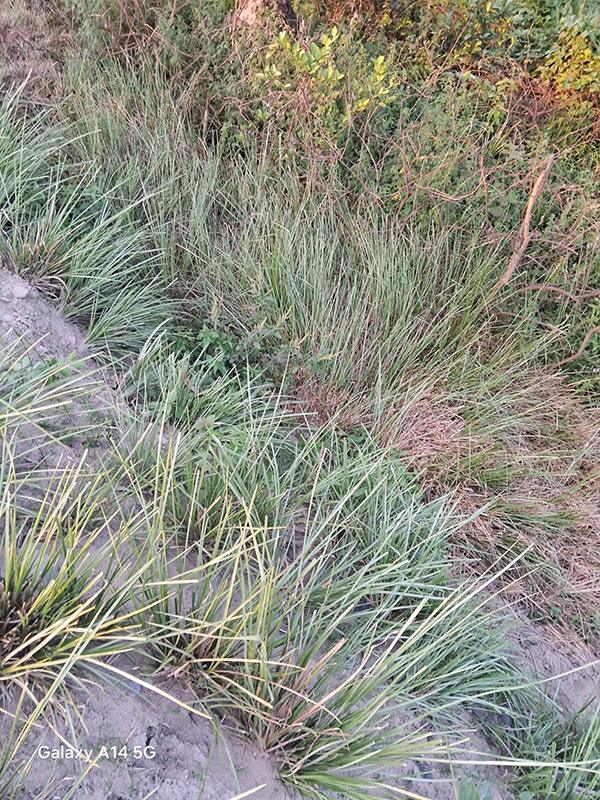
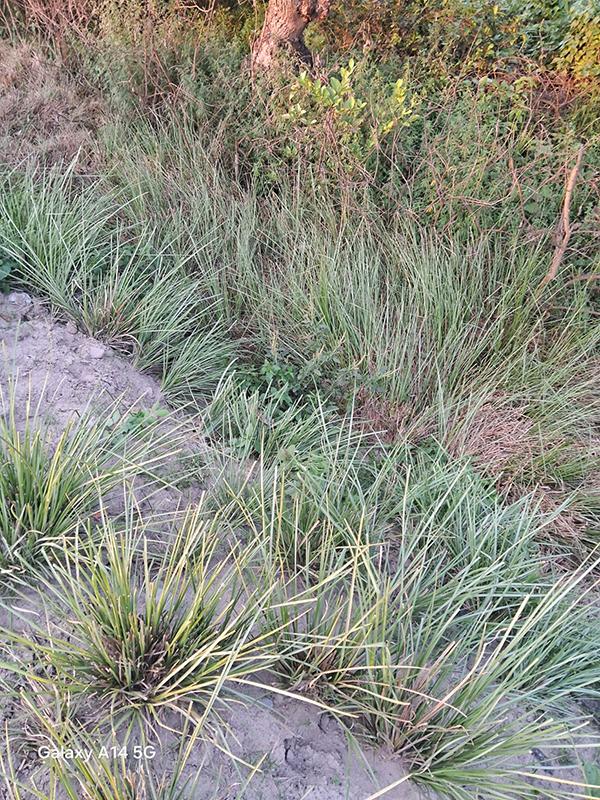
Nurseries of Vetiver grown in aquifers are thriving, providing a valuable grazing source for village cattle.
Vetiver’s remarkable ability to absorb excessive rainfall in a very short period plays a crucial role in recharging and purifying groundwater.

This natural system supports both the local ecosystem and the livelihoods of the community, demonstrating Vetiver’s multifaceted benefits in rural landscapes.

Photos Courtesy: Patanjali Jha – Video Courtesy: Priya Varghese

Sustainable Practices and Lessons

The Importance of Timely Cutting and Pruning of Vetiver Grass

As the old saying goes, “A stitch in time saves nine.” This holds especially true when it comes to maintaining Vetiver grass.

When Vetiver is left unattended for long periods — due to factors like continuous rains or lack of available labor — the shoots can grow excessively tall and dense. Overgrown Vetiver not only becomes difficult to manage but also creates an unsafe environment, making it hard to access the area and increasing risks.

If Vetiver grass is not cut at the right time, its quality deteriorates, making it unsuitable for uses such as thatching roofs or other structural applications.
Grass that could have been effectively utilized ends up being suitable only for lower-grade purposes like covering temporary sheds.

This situation highlights a crucial lesson:
Delays in cutting and pruning Vetiver lead to wasted effort, lost opportunities, and additional work.

Key takeaway:
Regular and timely maintenance ensures that Vetiver remains healthy, manageable, and fully useful for various applications.

Vetiver Shavings in Composting: A Success Story

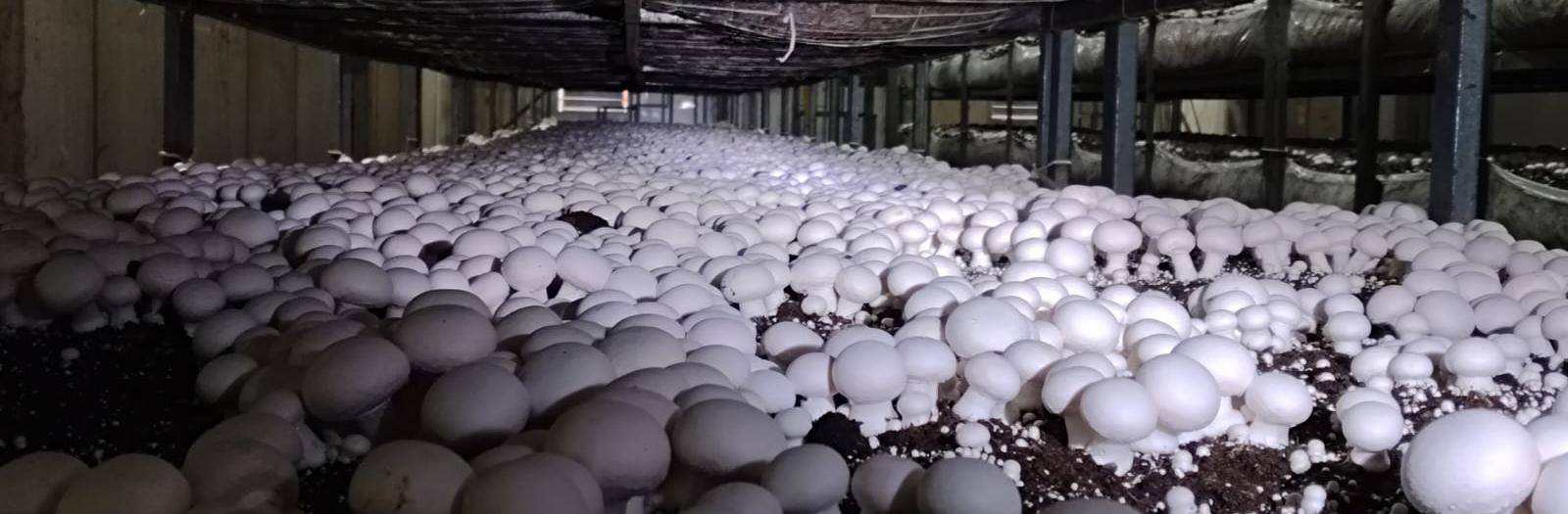
The use of dried Vetiver shavings in compost making has shown outstanding results.
A renowned mushroom cultivator — known for producing arguably the finest button mushrooms and formerly a consultant to Unilever — has successfully incorporated Vetiver into his composting process to enhance soil quality.

The spent mushroom compost, rich in humus, is being sold at just ₹2 per kilogram, offering an affordable and highly effective soil amendment.

Notably, in the Swarna Bhoomi project, this compost was used extensively and delivered excellent results in improving soil fertility and plant health.

This initiative highlights how sustainable practices, like integrating Vetiver, can create valuable, eco-friendly byproducts that benefit farming communities and large-scale projects alike.

Photos Courtesy: Patanjali Jha

Training, Knowledge Sharing, and Community Building

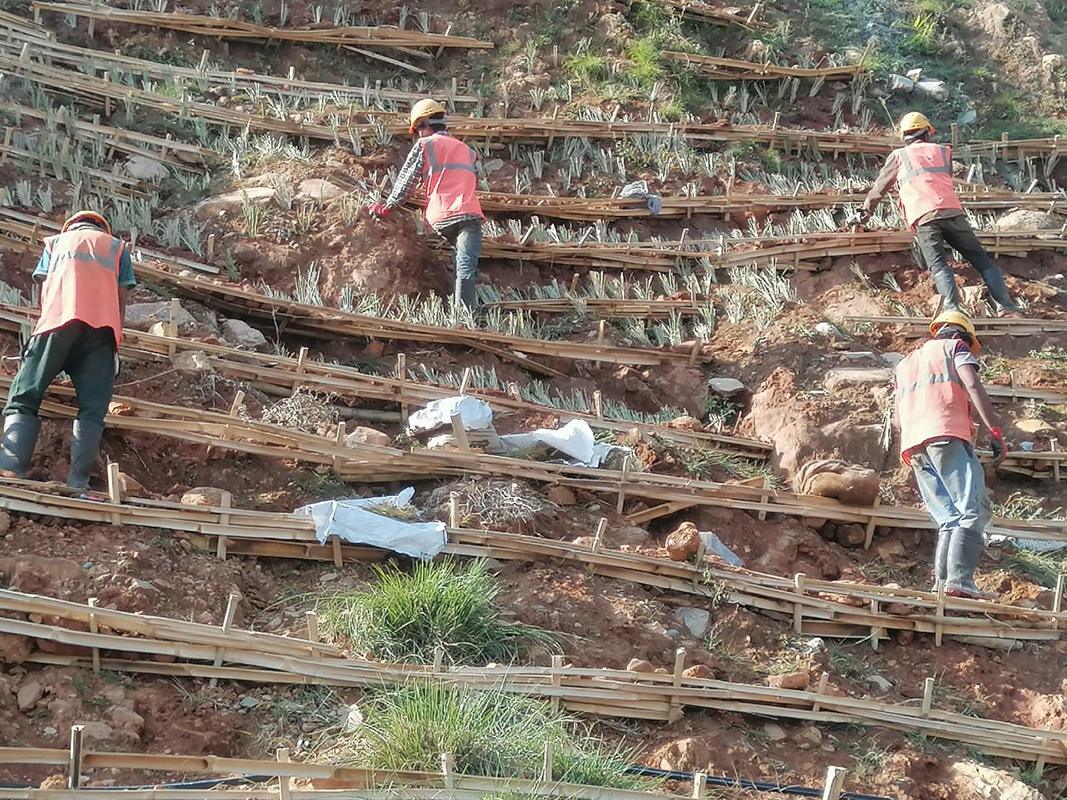
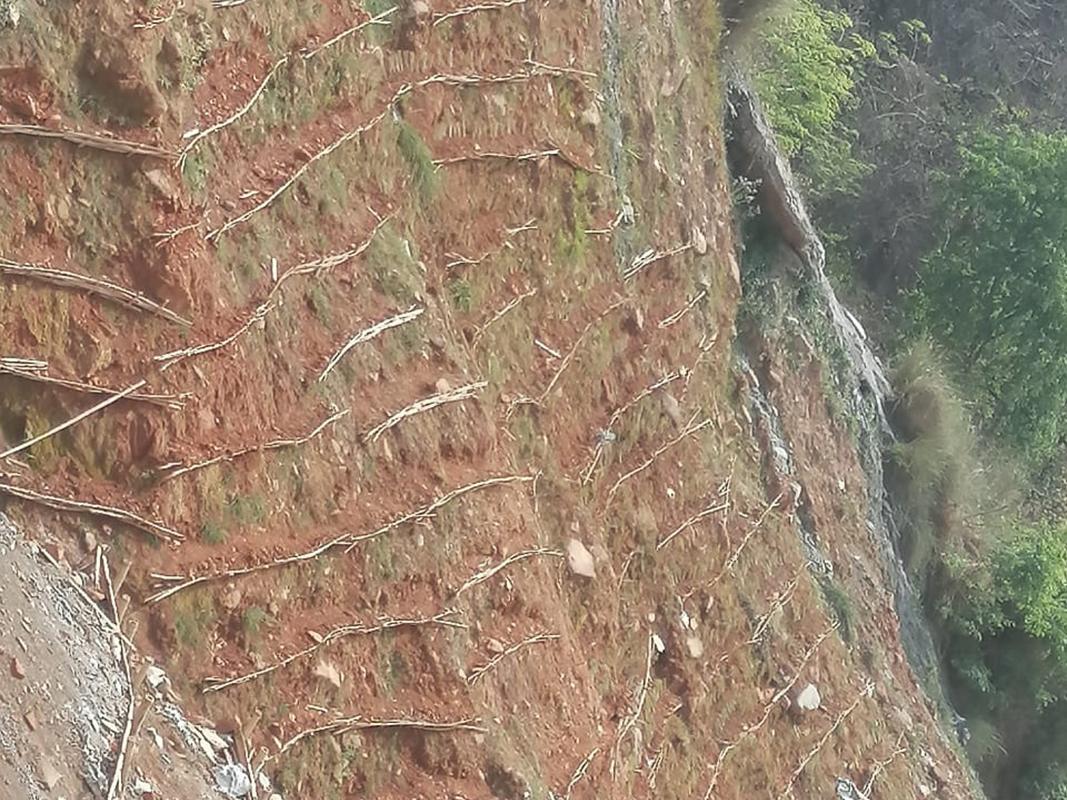
Slope Stabilization with Vetiver Eco-Engineering Technology (VET) in Nepal

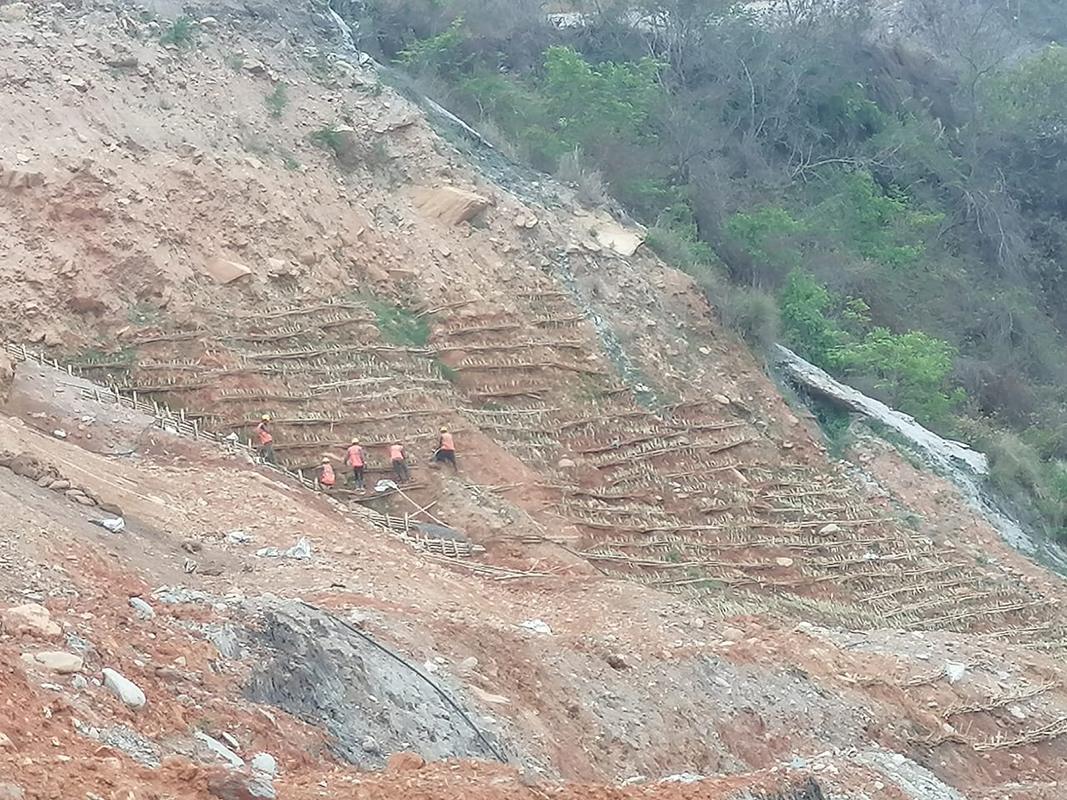
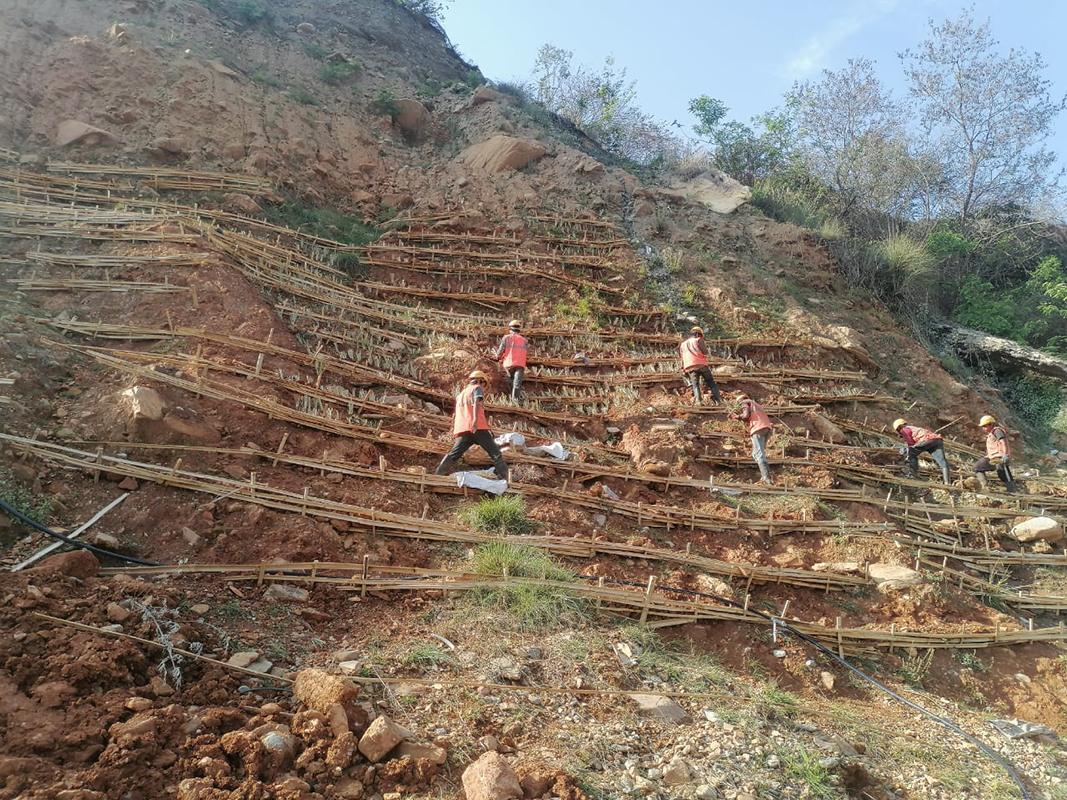
The Bio-Engineering Management & Research Center (BMRC), Nepal is actively engaged in slope stabilization efforts using Vetiver Eco-Engineering Technology (VET).

Managing landslides presents a unique challenge due to the varying slope gradients within the same landslide area, making stabilization complex. To address this, BMRC is working closely with a specialized technical team on the ground to ensure the effective implementation of VET.

The accompanying images showcase the physical, chemical, and textural characteristics of soils in the Pokhara Valley, a picturesque region of Nepal.

Vetiver Eco-Engineering Technology offers remarkable benefits, including:

  • Local adaptation to diverse environmental conditions
  • Carbon sequestration for climate resilience
  • Heavy metal absorption, contributing to soil and water purification

These features make VET an invaluable solution for enhancing human and environmental well-being in the region.

BMRC is also committed to educating and empowering the younger generation, ensuring that the knowledge and practice of sustainable Vetiver-based solutions continue to grow.

Photos Courtesy: Binod Neupane

Awareness Program on Rain-fed Vetiver Cultivation (CSIR-CIMAP)

CSIR – Central Institute of Medicinal and Aromatic Plants (CIMAP)
Organized by the CSIR – Ministry of Health and Family Welfare

Event: “Demonstration of Vetiver Propagation through Slip Planting Method and One-Day Training Program on Nursery Techniques”

Under the project CSIR-Aroma Mission Phase-III / HCP-0007
CM ECO Vetiver Plantation Unit

Location:
Kuruvadipatti, Tirupathur Taluk, Sivagangai District

Date:
28th April 2025

Time:
From 9:00 AM to 3:00 PM

Note:
Both theoretical and practical sessions will be conducted.

For contact:
9677985574 / 9487062328 / 9945586503

Voices From the Field

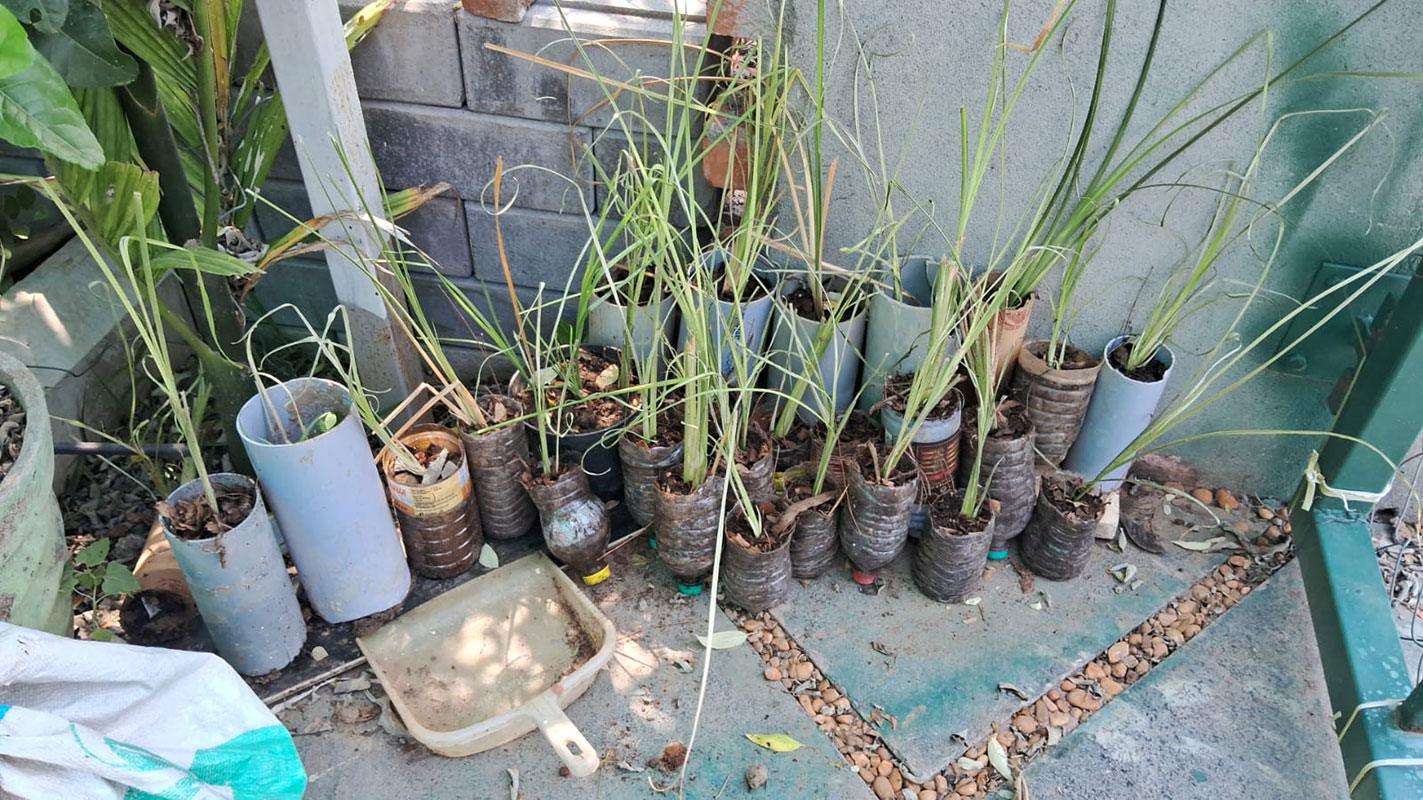
My Experience Growing Vetiver in Pipes By Gerald David Pillai

Having worked in Thailand for 23 years, I was always inspired by how the former King of Thailand transformed vast stretches of wasteland into green belts using vetiver. That story stayed with me. Later, when Mr. P. N. Subramanian explained the many benefits of vetiver in detail, it reignited my interest, and I decided to give it a try myself.

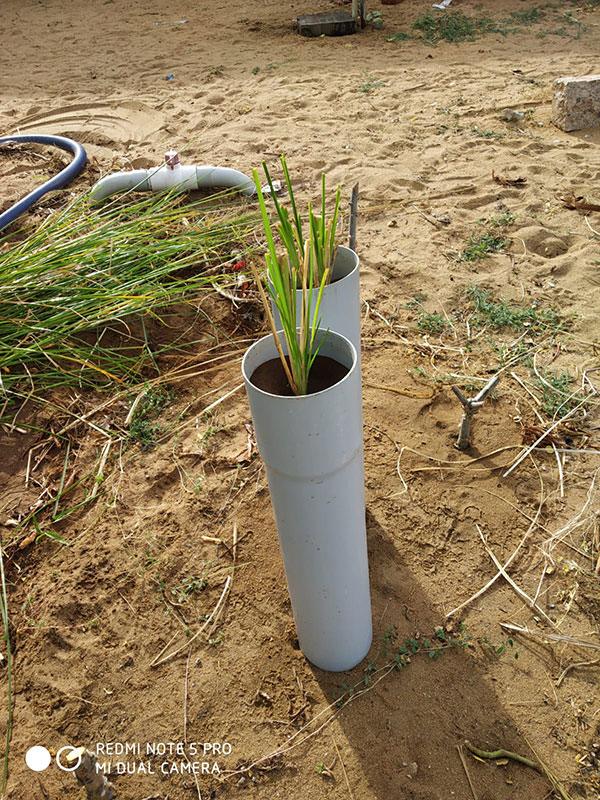
I agreed to a project proposed by a supplier, which involved growing vetiver in pipes — a minimum of 100 pipes. The cost offered on 9th March 2024 was Rs. 30,000, which was supposed to cover everything: 100 pipes each 6 feet long and 4.5 inches in diameter, 100 kg of cocopeat, 50 kg of enhanced compost, 1.5 liters of enzyme, 100 vetiver slips, and project supervision during installation. However, what I received were 100 pipes that were only 5 feet long and 4 inches in diameter, along with the promised materials, but no supervision was provided. I had to do the entire installation myself, following only the supplier’s instructions. Including training, travel, and labor, my total cost came to around Rs. 45,000.

The supplier had promised a yield of 2.5 to 3 kg per pipe within three months. According to them, harvesting 250 kg and selling it at a minimum price of Rs. 160 per kg would help recover the investment quickly. Motivated by this, I went ahead and planted the vetiver slips in two batches — the first batch of 17 slips on 24th June 2024 and the second batch of 83 slips on 25th July 2024. Some slips were dried when they arrived, which delayed the process as I had to reorder and replant.

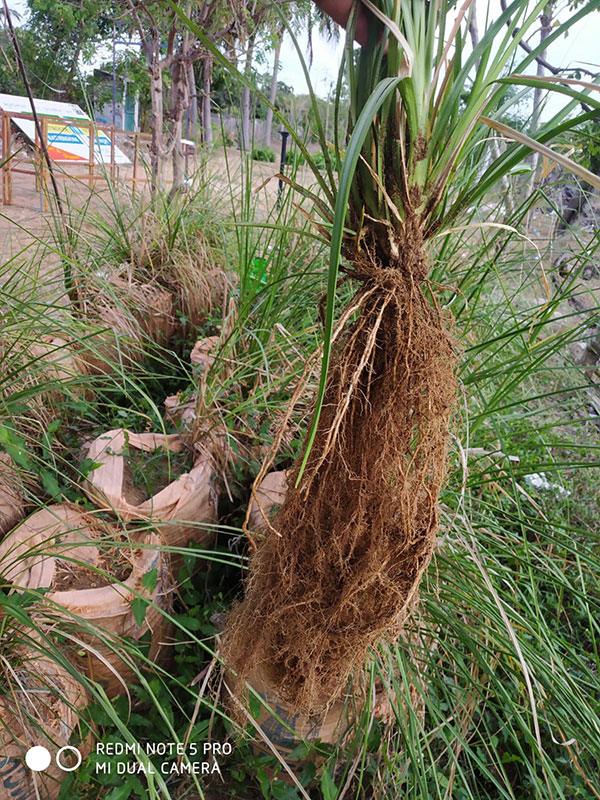
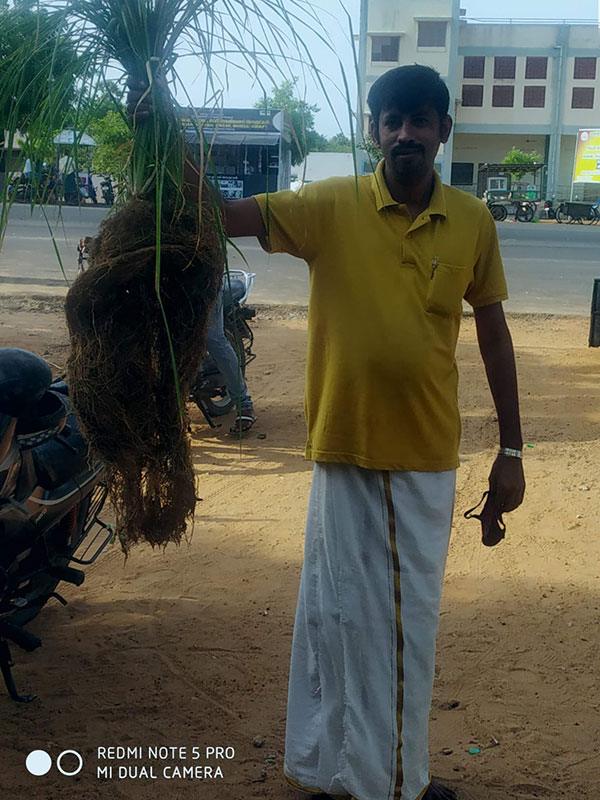
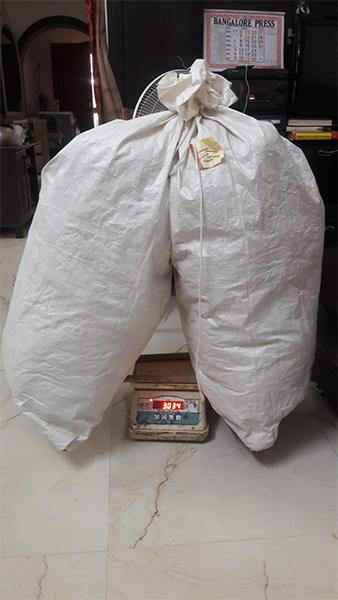
I finally harvested the mature vetiver on 12th April 2025, almost 9 to 10 months after planting. It became clear to me that the three-month timeline initially promised would never have been enough. Harvesting was extremely labor-intensive work. Out of the 100 pipes, I harvested 98, as two of the slips had dried off. From all the pipes combined, I managed to get just around 5 to 6 kilograms of vetiver roots — a result far lower than the 250 kg initially projected.

To understand the yield issue better, I weighed 940 grams of harvested roots and tried to estimate how much could realistically fit inside a 4-inch diameter, 5-foot-long pipe. Even stuffing half of that amount into one pipe would be a tight fit, leaving no room for the red soil, cocopeat, and compost mixture needed for growth. My logical conclusion is that a fully grown vetiver plant in such a pipe would yield only around 40 to 60 grams, and achieving even 100 grams would be a major success.

Another point worth noting is that the harvested roots had only a very mild vetiver fragrance. As someone pointed out in our group discussions, such roots might be suited for handicrafts rather than products where a strong aroma is essential. This could make it harder to find buyers expecting strongly scented roots.

Today, what I am left with is about 6 kilograms of vetiver roots, approximately 900 slips of vetiver that I now plan to plant around my land, 100 unused pipes, and a loss of about Rs. 45,000 — not including the hard work and time my family and I invested.

Despite the outcome, I remain positive. I plan to use the vetiver to enhance the fertility of my land instead of chasing commercial returns. Sometimes, the journey teaches more than the destination, and I am grateful for the lessons learned.

A couple of weeks ago, we harvested vetiver grown in about 100 pipes on our land. Each grow bag yielded about 3 kilograms of roots — in total, just around 5 to 6 kilograms. Initially, we were promised yields of 250 to 300 kilograms, but that didn’t materialize.

When you actually look at it, trying to fit enough vetiver roots into two 50-kilogram capacity grow bags to get even 3 kilograms of harvest feels like pushing the limits. Achieving 8 kilograms would be even more unrealistic — more of a pipe dream, quite literally.

This experience really highlighted for us the practical challenges of growing vetiver in confined spaces like pipes, compared to open field cultivation.

India Vetiver Foundation’s Recommendation – P. N. Subramanian
For anyone considering growing vetiver in pipes or grow bags, we strongly recommend starting with a small pilot project. Use 10 to 20 bags and purchase all inputs directly from the market. Carefully monitor and study the outcomes — including root development, yield, and overall plant health — before scaling up. This approach will give you a realistic understanding of the process, costs, and expected returns.
Vetiver's Remarkable Submergence Tolerance: A Preliminary Study

A study by Xia et al. (2003) explored the submergence tolerance of vetiver grass (Chrysopogon zizanioides) compared to other grass species. The research found that vetiver can endure complete submergence for up to 120 days, significantly outperforming other grasses like bahia grass (60–70 days), carpet grass (32–40 days), and St. Augustine grass (18–32 days) . This exceptional tolerance makes vetiver an ideal candidate for applications in flood-prone areas, such as riverbanks, wetlands, and regions with seasonal inundation.

For those interested in the detailed findings and methodologies, you can access the full paper here: A Preliminary Report on Tolerance of Vetiver to Submergence.

Advancing Sustainable Vetiver Cultivation in Theni District

A note from Engineer Lion P. Balasubramani
President, Village Committee, Jayamangalam
Periyakulam Taluk, Theni District

Date: April 28, 2025

An impactful awareness seminar on vetiver cultivation was held in Manavari, focusing on sustainable farming practices and innovative irrigation techniques. The event provided participants with hands-on experience, showcasing effective methods for vetiver cultivation and water management.

Mr. Pandian, a dedicated farmer from Manavari, generously hosted the seminar on his fields, demonstrating practical applications of vetiver farming. His commitment to sustainable agriculture and community education was evident throughout the event.

The seminar was further enriched by the active participation of officials from the Sustainable Environment and Ecological Management Action Programme (SEEMAP), who shared valuable insights into the environmental and economic benefits of vetiver cultivation.

A heartfelt appreciation is extended to Mr. Pandian’s staff for their warm hospitality and the provision of a nourishing meal, reflecting the community spirit that underpins sustainable agricultural initiatives.

Inspired by the knowledge and experiences gained during the seminar, I am committed to initiating vetiver cultivation in the Theni district. This endeavor aims to contribute to environmental conservation and bolster the local economy through sustainable practices.

Vetiver, known for its deep-rooted system, plays a crucial role in soil conservation, water purification, and carbon sequestration. Its cultivation offers a viable solution to combat soil erosion and enhance soil fertility, aligning with national efforts toward sustainable agriculture.

The India Vetiver Foundation (IVF) continues to support such initiatives, promoting vetiver as a nature-based solution for environmental challenges. Their ongoing research and training programs are instrumental in empowering farmers and fostering community resilience.

As we look forward to the 7th World Vetiver Conference in Thailand, the global community’s interest in vetiver’s multifaceted benefits underscores its significance in sustainable development.

In conclusion, the seminar in Manavari marks a significant step toward sustainable agriculture in the Theni district. Through collective efforts and continued learning, we can harness the full potential of vetiver cultivation for environmental sustainability and economic growth.

FICCI, CIMAP & IFRA Organize Seminar on Sustainable Vetiver Farming in Pondicherry

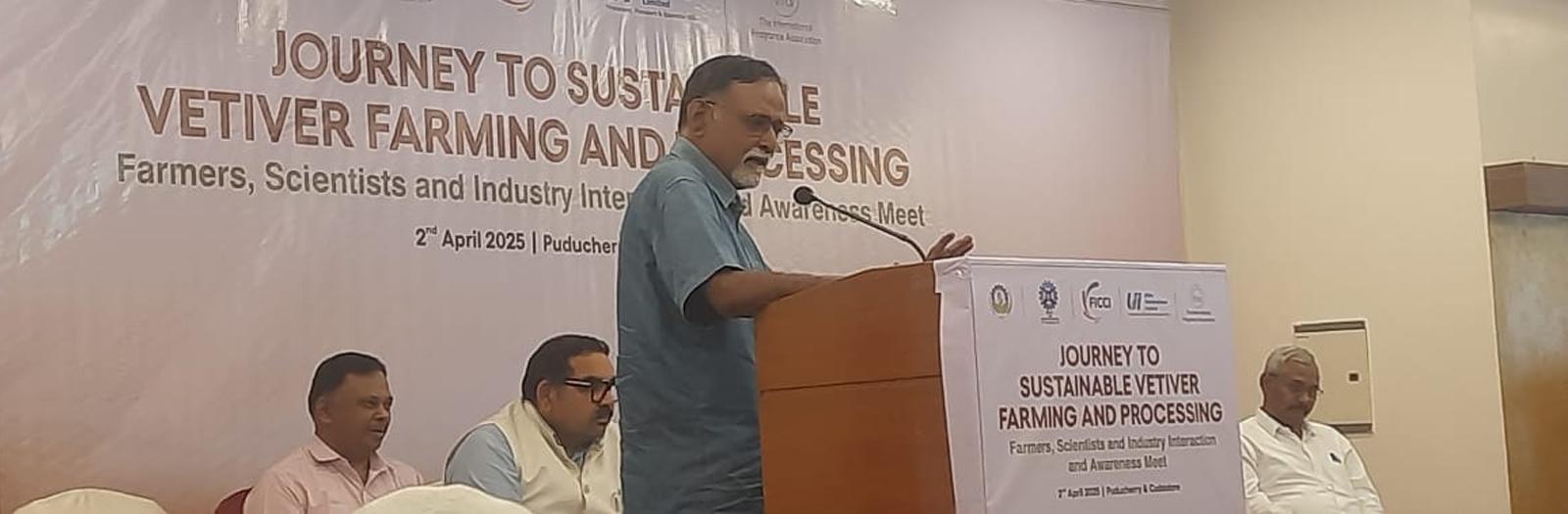
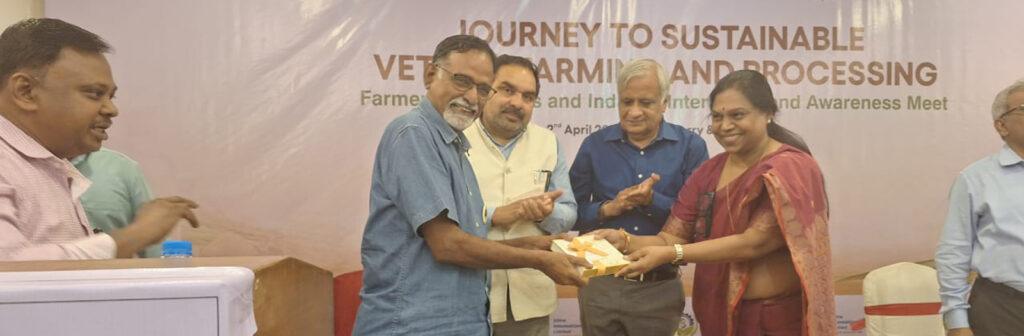
On April 2nd, a significant event on “Journey to Sustainable Vetiver Farming and Processing” was held in Pondicherry, jointly organized by FICCI, CIMAP, Ultra International, and the International Fragrance Association (IFRA). The gathering brought together over 100 participants, including vetiver growers, aspiring cultivators, and industry experts seeking to deepen their understanding of sustainable practices in the vetiver sector.

Key dignitaries present at the event included:

  • Dr. Kalra, Director, CIMAP
  • Dr. Sundaresan, Dr. Bragadeesh, Dr. Sanjaykumar, and Dr. Rajesh Varma from CIMAP
  • Ms. Bhuvana Rajeswaran, Director, Ultra International
  • Dr. Sandeep, IFRA
  • Representatives from IVF and local vetiver champions such as Bala (Pondicherry) and Ganesan (IVF)

The event featured valuable insights from prominent figures in the vetiver ecosystem such as Vetiver Pandian, Rameswaram Sreeram, and Gajendran, a seasoned farmer from Cuddalore.

Key Takeaways from the Session –

Global Opportunity for India:
With a current global shortfall in vetiver oil due to political unrest in Haiti, India is well-positioned to scale up production and meet international demand.

Scaling Production:
India’s current production stands at only 25 tons. Experts emphasized the need to scale this up to 100 tons to enable significant exports.

Support from Industry Leaders:
Ms. Bhuvana of Ultra International expressed full support toward scaling efforts, while emphasizing the need for consistent supply and quality assurance. She also advocated for organic cultivation practices.

Competitive Quality:
Dr. Kalra highlighted that Indian vetiver oil quality is comparable to that of Haiti, offering reassurance on the global competitiveness of Indian produce.

Economic Viability for Farmers:
Vetiver Pandian pointed out that value addition can generate incomes of up to ₹3 lakhs per acre.

Mr. Gajendran shared that selling roots at ₹130/kg can yield net returns of ₹60,000–₹70,000 per acre.

Innovations in Cultivation and Products:
Participants inquired about vetiver cultivation in pipes and bags. Vetiver Pandian suggested that models should be tested, validated, and certified by CIMAP before being scaled.

He also showcased his wide range of handcrafted vetiver products and noted that he currently employs over 80 women artisans.

Product Showcase:
Local innovator Anandan from Pondicherry exhibited vetiver-based bags, jackets, chappals, and more. Notably, a Vetiver T-shirt developed by him was officially launched at the event by the CIMAP Director.

IVF Participation:
IVF was invited to present its objectives and vision for scaling sustainable vetiver farming, which was well-received by attendees and sparked interest from several stakeholders for future collaboration.

This event marked a key milestone in fostering dialogue between researchers, industry leaders, and grassroots-level farmers to build a scalable and sustainable ecosystem for vetiver cultivation in India.

Photos of P. N. Subramanian’s address taken by Ganesan and him receiving a momento from Director CIMAP and Ms Bhuvana

Special Mentions

Marketplace for Vetiver

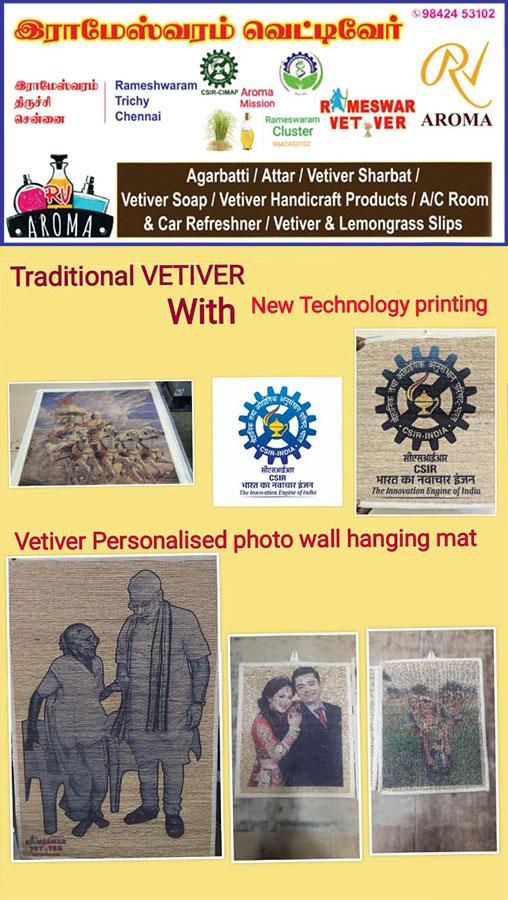
Rameswaram Vetiver Brand Launches at Velachery Station under “One Station One Product” Initiative

We are excited to share that Rameswaram Vetiver has set up a brand-new outlet at Velachery Station, Chennai, as part of the Central Government’s “One Station One Product” initiative.

The outlet showcases a wide range of authentic Vetiver-based products. If you are in or around Velachery, we encourage you to visit the outlet, explore the collection, and support this wonderful cause.

Let’s come together to promote local artisans and traditional crafts!

Photo Courtesy: P. N. Subramanian

A Special Feature from Vetiver Voice!

At Vetiver Voice, we are committed to bringing you inspiring stories of ecological restoration and environmental stewardship.

In this spirit, we are delighted to present to you the 177th edition of the Saguna Rural Foundation (SRF) Newsletter (Click to Download). Through this special feature, we aim to showcase the incredible work SRF has been doing in the Neral-Matheran forest region since 2018.

Using their innovative Saguna Vansavardhan Technique (SVT), SRF has been actively involved in preventing forest fires, regreening degraded hills and mountains, and conserving soil, water, and biodiversity. Their efforts have yielded remarkable results, demonstrating sustainable models of landscape restoration.

By sharing SRF’s work with you, we hope to shine a light on the critical importance of ecological restoration and encourage collective action for protecting our environment.

We invite you to explore their journey and be inspired by their commitment to nature.

Warm regards,
The Vetiver Voice Team

Vetiver in Publications

Conversations Today - Feb 2025

Credits to Conversations Today-
February 2025 Newsletter & Ms. Marie Banu

Conversations Today - Mar 2025

Credits to Conversations Today-
March 2025 Newsletter & Ms. Marie Banu

For contributions, research updates, and queries, contact us at Subramanian.pn@gmail.com
Follow us on Facebook, LinkedIn, and Twitter for real-time updates on Vetiver projects worldwide.

Share this Newsletter: